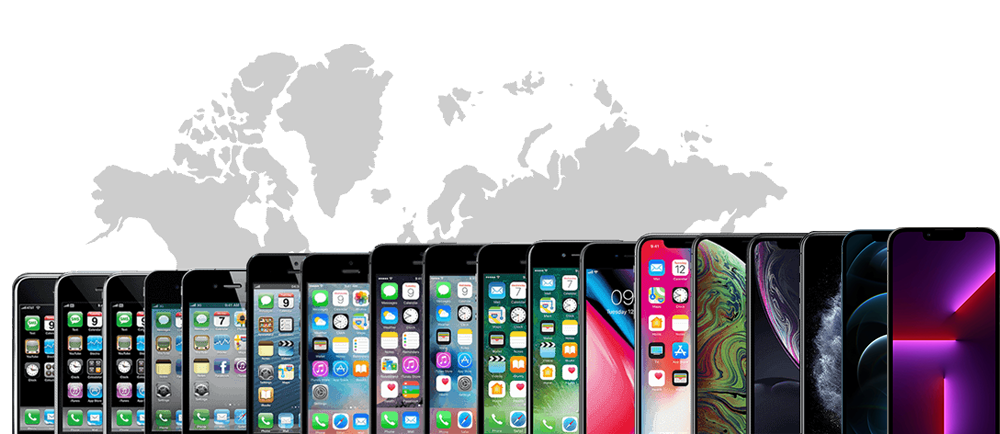
When Steve Jobs introduced the first iPhone in 2007, he promised to revolutionize the way we communicate and access information. Little did he know that he was about to change the world forever. Since then, Apple has released more than a dozen iPhone models, each one more innovative and sophisticated than the last. In this blog post, we will take a trip down memory lane and explore the fascinating history of the iPhone.
When was the first iPhone released?
The First Generation iPhone:

The first iPhone was released on June 29, 2007, and it was an instant hit. It featured a 3.5-inch display with a resolution of 320 x 480 pixels, a 2-megapixel camera, and 4GB or 8GB of storage. It ran on iOS 1.0, which was a modified version of the Mac OS X operating system. The original iPhone lacked some of the features that we now take for granted, such as copy and paste, push email, and third-party apps, but it set the standard for all future smartphones.
The iPhone 3G:

The iPhone 3G was released on July 11, 2008, and it was the first iPhone to support 3G networks. It also had a plastic back, which was a departure from the metal back of the original iPhone. The iPhone 3G featured a 3.5-inch display with a resolution of 320 x 480 pixels, a 2-megapixel camera, and up to 16GB of storage. It ran on iOS 2.0, which introduced support for third-party apps and push email.
The iPhone 3GS:

The iPhone 3GS was released on June 19, 2009, and it was the first iPhone to feature a video camera. It also had a faster processor and more RAM than its predecessors. The iPhone 3GS featured a 3.5-inch display with a resolution of 320 x 480 pixels, a 3-megapixel camera, and up to 32GB of storage. It ran on iOS 3.0, which introduced features such as voice control and a landscape keyboard.
The iPhone 4:

The iPhone 4 was released on June 24, 2010, and it was a major redesign of the iPhone. It featured a sleek new glass and stainless steel body, a retina display with a resolution of 640 x 960 pixels, and a front-facing camera for FaceTime video calls. The iPhone 4 also had a faster processor and more RAM than its predecessors. It ran on iOS 4.0, which introduced features such as multitasking and folders.
The iPhone 4S:

The iPhone 4S was released on October 14, 2011, and it was the first iPhone to feature Siri. The iPhone 4S had the same design as its predecessor, but it featured a faster processor, more RAM, and a better camera. It also introduced Siri, the voice-activated personal assistant that could perform a wide range of tasks, such as sending texts, making calls, and setting reminders. The iPhone 4S featured a 3.5-inch display with a resolution of 640 x 960 pixels, an 8-megapixel camera, and up to 64GB of storage. It ran on iOS 5.0, which introduced features such as iMessage and iCloud.
The iPhone 5:

The iPhone 5 was released on September 21, 2012, and it was the first iPhone to feature a larger 4-inch display with a resolution of 640 x 1136 pixels. It also had a thinner and lighter design, with an aluminum body and glass back. The iPhone 5 featured a faster processor, more RAM, and a better camera than its predecessors. It ran on iOS 6.0, which introduced features such as Apple Maps and Passbook.
The iPhone 5c:

The iPhone 5c was released on September 20, 2013, and it was a more affordable version of the iPhone 5. It featured a plastic body in a range of bright colors, and it had the same specs as the iPhone 5. The iPhone 5c featured a 4-inch display with a resolution of 640 x 1136 pixels, an 8-megapixel camera, and up to 32GB of storage. It ran on iOS 7.0, which introduced a new design and features such as Control Center and AirDrop.
The iPhone 5s:

The iPhone 5s was released on September 20, 2013, and it was the first iPhone to feature Touch ID, the fingerprint scanner that could be used to unlock the device and make purchases. It also had a faster processor and more RAM than its predecessors. The iPhone 5s featured a 4-inch display with a resolution of 640 x 1136 pixels, an 8-megapixel camera, and up to 64GB of storage. It ran on iOS 7.0, which introduced new features such as Siri enhancements and a new camera app.
The iPhone 6 and 6 Plus:

The iPhone 6 and 6 Plus were released on September 19, 2014, and they featured larger 4.7-inch and 5.5-inch displays, respectively. They also had a thinner and lighter design, with rounded edges and an aluminum body. The iPhone 6 and 6 Plus featured a faster processor, more RAM, and a better camera than their predecessors. They ran on iOS 8.0, which introduced features such as HealthKit and Continuity.
The iPhone 6s and 6s Plus:

The iPhone 6s and 6s Plus were released on September 25, 2015, and they were the first iPhones to feature 3D Touch, a pressure-sensitive display that could recognize different levels of pressure. They also had a faster processor and more RAM than their predecessors. The iPhone 6s and 6s Plus featured a 4.7-inch and 5.5-inch display, respectively, with a resolution of 750 x 1334 pixels and 1080 x 1920 pixels. They also had an improved 12-megapixel camera and up to 128GB of storage. They ran on iOS 9.0, which introduced features such as Apple Music and improved Siri capabilities.
The iPhone SE:

The iPhone SE was released on March 31, 2016, and it was a more affordable iPhone that featured the same design as the iPhone 5s but with improved specs. It had a 4-inch display with a resolution of 640 x 1136 pixels, an improved 12-megapixel camera, and up to 128GB of storage. It ran on iOS 9.3, which introduced features such as Night Shift and password-protected notes.
The iPhone 7 and 7 Plus:
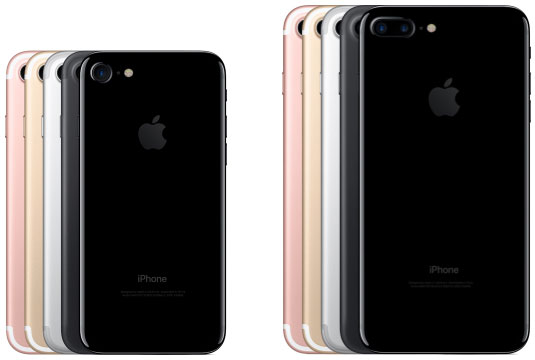
The iPhone 7 and 7 Plus were released on September 16, 2016, and they were the first iPhones to feature water resistance and a new pressure-sensitive home button. The iPhone 7 featured a 4.7-inch display with a resolution of 750 x 1334 pixels, while the iPhone 7 Plus had a 5.5-inch display with a resolution of 1080 x 1920 pixels. Both phones featured a new A10 Fusion chip, an improved 12-megapixel camera, and up to 256GB of storage. They ran on iOS 10, which introduced features such as a redesigned Messages app and a new Home app for smart home devices.
The iPhone 8 and 8 Plus:

The iPhone 8 and 8 Plus were released on September 22, 2017, and they featured a glass back design that allowed for wireless charging. The iPhone 8 had a 4.7-inch display with a resolution of 750 x 1334 pixels, while the iPhone 8 Plus had a 5.5-inch display with a resolution of 1080 x 1920 pixels. Both phones featured an improved A11 Bionic chip, an improved 12-megapixel camera, and up to 256GB of storage. They ran on iOS 11, which introduced features such as a redesigned App Store and a new Control Center.
The iPhone X:

The iPhone X was released on November 3, 2017, and it featured a new design with an edge-to-edge display and no home button. It also introduced Face ID, a facial recognition system that could be used to unlock the device and make purchases. The iPhone X had a 5.8-inch display with a resolution of 1125 x 2436 pixels, an improved A11 Bionic chip, and up to 256GB of storage. It ran on iOS 11, which introduced features such as Animoji and augmented reality capabilities.
The iPhone XS and XS Max:

The iPhone XS and XS Max were released on September 21, 2018, and they were an updated version of the iPhone X. The iPhone XS had a 5.8-inch display with a resolution of 1125 x 2436 pixels, while the iPhone XS Max had a larger 6.5-inch display with a resolution of 1242 x 2688 pixels. Both phones featured an improved A12 Bionic chip, an improved 12-megapixel camera, and up to 512GB of storage. They ran on iOS 12, which introduced features such as Screen Time and Group FaceTime.
The iPhone XR:

The iPhone XR was released on October 26, 2018, and it was a more affordable version of the iPhone XS with a few differences in design and specs. The iPhone XR featured a 6.1-inch display with a resolution of 828 x 1792 pixels, a single-lens 12-megapixel camera, and up to 256GB of storage. It also featured the same A12 Bionic chip as the iPhone XS and ran on iOS 12.
The iPhone 11, 11 Pro, and 11 Pro Max:

The iPhone 11, 11 Pro, and 11 Pro Max were released on September 20, 2019, and they featured improved cameras and faster processors. The iPhone 11 had a 6.1-inch display with a resolution of 828 x 1792 pixels, while the iPhone 11 Pro had a 5.8-inch display with a resolution of 1125 x 2436 pixels, and the iPhone 11 Pro Max had a 6.5-inch display with a resolution of 1242 x 2688 pixels. All three phones featured the A13 Bionic chip, a dual-lens 12-megapixel camera system, and up to 512GB of storage. They ran on iOS 13, which introduced features such as Dark Mode and a redesigned Photos app.
The iPhone SE (2nd generation):

The iPhone SE (2nd generation) was released on April 24, 2020, and it was another more affordable iPhone that featured the same design as the iPhone 8 but with improved specs. It had a 4.7-inch display with a resolution of 750 x 1334 pixels, an improved A13 Bionic chip, an improved 12-megapixel camera, and up to 256GB of storage. It ran on iOS 13 and later versions.
The iPhone 12, 12 Pro, 12 Pro Max, and 12 Mini:

The iPhone 12, 12 Pro, 12 Pro Max, and 12 Mini were released on October 23, 2020, and they featured a new design with a flat-edge design and 5G capabilities. The iPhone 12 had a 6.1-inch display with a resolution of 1170 x 2532 pixels, while the iPhone 12 Pro had the same display but with additional camera features. The iPhone 12 Pro Max had a larger 6.7-inch display with a resolution of 1284 x 2778 pixels, while the iPhone 12 Mini had a smaller 5.4-inch display with a resolution of 1080 x 2340 pixels. All four phones featured the A14 Bionic chip, a dual-lens 12-megapixel camera system (triple-lens on the Pro models), and up to 512GB of storage. They ran on iOS 14, which introduced features such as App Clips and improved privacy controls.
The iPhone 13, 13 Mini, 13 Pro, and 13 Pro Max:

The latest iPhones were announced on September 14, 2021, and are set to be released on September 24, 2021. The iPhone 13 and 13 Mini feature a 6.1-inch and 5.4-inch display, respectively, with a resolution of 1170 x 2532 pixels for the iPhone 13 and 1080 x 2340 pixels for the iPhone 13 Mini. The iPhone 13 Pro and 13 Pro Max have a 6.1-inch and 6.7-inch display, respectively, with a resolution of 1170 x 2532 pixels and 1284 x 2778 pixels, respectively. All four phones feature the new A15 Bionic chip, a dual-lens camera system for the iPhone 13 and 13 Mini, and a triple-lens camera system for the iPhone 13 Pro and 13 Pro Max, and up to 1TB of storage. They will run on iOS 15, which introduces features such as improved FaceTime, new Maps features, and improved privacy controls.
What is the latest iPhone release and when is it set to be released?
The iPhone 14, iPhone 14 Plus, iPhone 14 Pro, and iPhone 14 Pro Max

The iPhone 14 is Apple's latest flagship smartphone, and it's available in four different versions: the iPhone 14, iPhone 14 Plus, iPhone 14 Pro, and iPhone 14 Pro Max. All four models feature a new design with flat edges, an upgraded A16 Bionic chip, and improved cameras.
The iPhone 14 and iPhone 14 Plus are the more affordable models in the lineup, and they feature a 6.1-inch and 6.7-inch display, respectively. Both models have an OLED display with a resolution of 2532 x 1170 pixels. The iPhone 14 is powered by an A16 Bionic chip with 4GB of RAM, while the iPhone 14 Plus is powered by an A16 Bionic chip with 6GB of RAM.
The iPhone 14 and iPhone 14 Plus have a dual-camera system on the back, consisting of a 12-megapixel wide-angle lens and a 12-megapixel ultrawide-angle lens. The front-facing camera is a 12-megapixel TrueDepth camera.
The iPhone 14 Pro and iPhone 14 Pro Max are the more premium models in the lineup, and they feature a number of upgrades over the iPhone 14 and iPhone 14 Plus. The iPhone 14 Pro and iPhone 14 Pro Max have a 6.1-inch and 6.7-inch display, respectively, with a resolution of 2532 x 1170 pixels. Both models have an OLED display with ProMotion support, which allows for a variable refresh rate of up to 120Hz. The iPhone 14 Pro and iPhone 14 Pro Max are powered by an A16 Bionic chip with 6GB of RAM.
The iPhone 14 Pro and iPhone 14 Pro Max have a triple-camera system on the back, consisting of a 12-megapixel wide-angle lens, a 12-megapixel ultrawide-angle lens, and a 12-megapixel telephoto lens. The front-facing camera is a 12-megapixel TrueDepth camera.
All four models of the iPhone 14 are available in a variety of colors, including Midnight, Starlight, Product Red, Blue, and Pink. The iPhone 14 and iPhone 14 Plus start at $699 and $799, respectively, while the iPhone 14 Pro and iPhone 14 Pro Max start at $999 and $1,099, respectively.
So, which iPhone 14 model is right for you? If you're looking for an affordable smartphone with a great display and camera, the iPhone 14 or iPhone 14 Plus is a great option. If you're looking for a more premium smartphone with a faster processor, a better display, and a more advanced camera system, the iPhone 14 Pro or iPhone 14 Pro Max is the way to go.
The history of the iPhone is a story of innovation and technological advancements. From its first release in 2007, the iPhone has evolved and improved with each new version, introducing new features and capabilities that have changed the way we communicate and use our mobile devices. With the latest release of the iPhone 13, we can only imagine what the future holds for this iconic device.
0 comments:
Post a Comment